On September 16, 2026, Zelle and the nonprofit Consumer Action said their scam-prevention tour has mobilized more than 250 local community leaders in eight US cities, and that participating community groups can apply for grants to run trainings of their own. The program continues through 2027.
What changed
- Grant for local train-the-trainer events$1,000 per participating organization
- Organizations selected so far25, with more to be announced
- 2026 stopsDallas, West Palm Beach, Chicago, Seattle, Philadelphia, Baltimore; three times as many stops as in 2025
- Next stopSan Francisco, November 2026
- MaterialsConsumer Action’s free “Just Say No to Scams” module, with a multilingual guide and tip sheet
Source: Zelle press release, September 16, 2026 · Checked on September 27, 2026
Why it matters
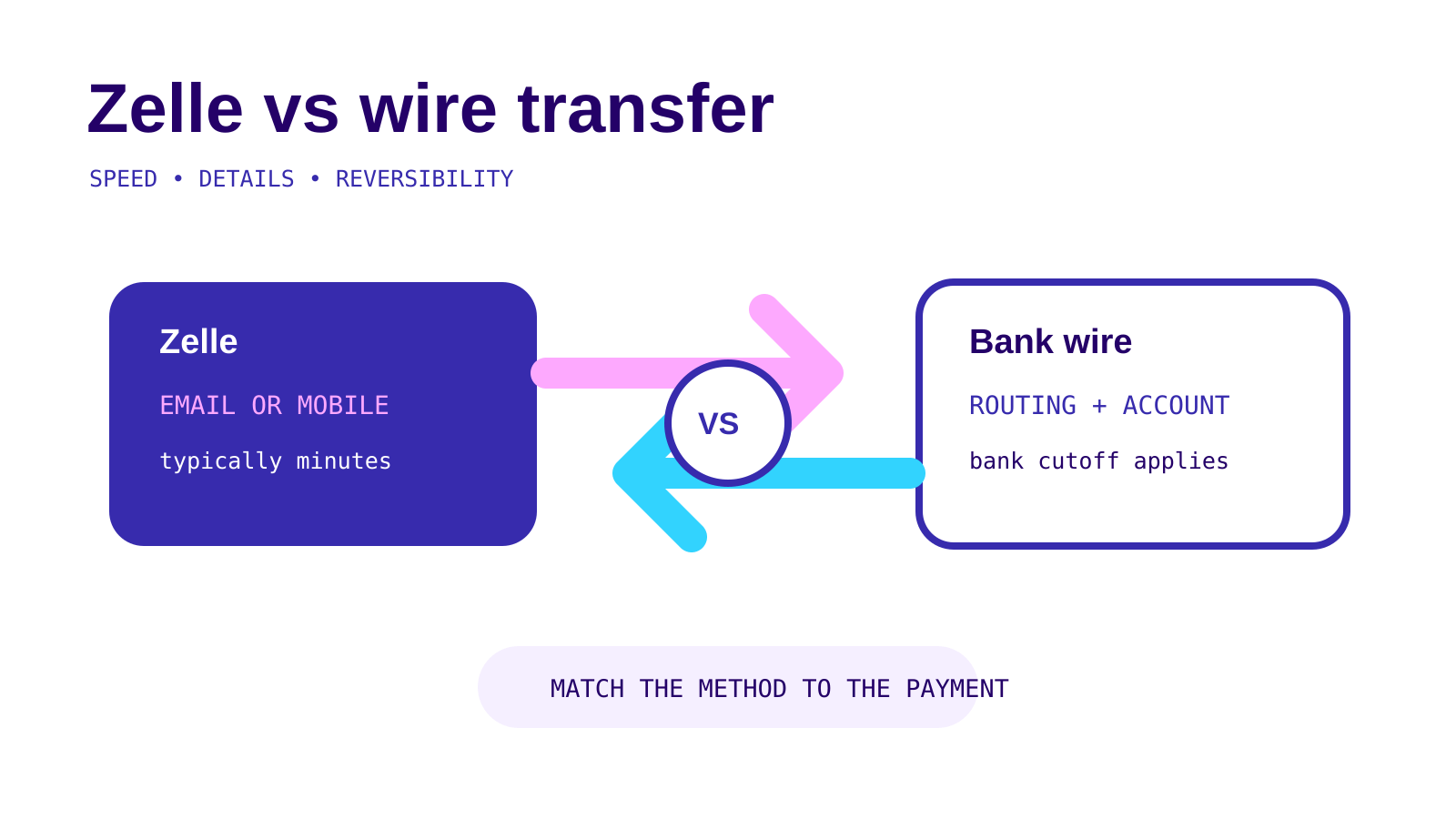
Zelle’s head of public affairs, Sean Oblack, describes the pattern the training targets: scammers build trust with fake profiles, calls, messages and marketplace posts, then direct people to send money by cash, wires, gift cards, crypto or digital payments. Zelle says payments to enrolled recipients typically arrive within minutes, which leaves little time to stop one.
Banks say the same in their own terms. Wells Fargo’s Zelle addendum, for example, states that the service is intended for “friends, family, and others you trust” and warns against sending to recipients you do not know or trust.
Warning
Zelle payments are hard to reverse. If someone you met online, by phone or on a marketplace asks you to pay by Zelle, stop and check before you send.
What to do
- Send only to people you know, and confirm the phone number or email before the first payment.
- If you think you were scammed, call your bank at the number on its website or card, not a number from a message.
- Understand how the service works before you use it: what is Zelle. A payment stuck in limbo is a different problem: Zelle payment pending.