Short answer
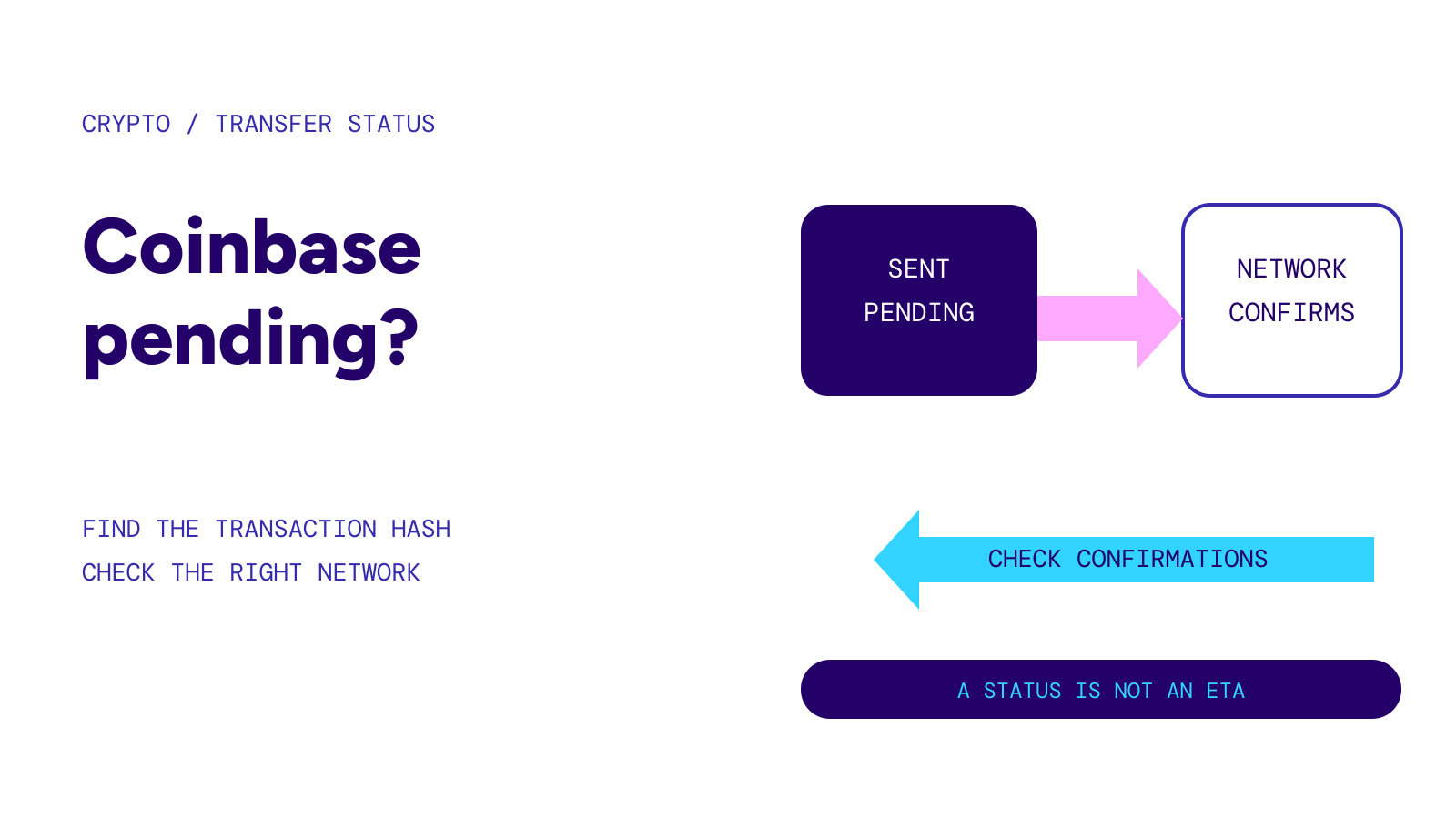
A Coinbase transaction pending on the crypto network needs a different check from a held cash deposit. Open the transaction, inspect its blockchain record and compare the destination network. A pending status alone does not establish a delivery time or mean you can cancel an on-chain send.
On this page
Start with the transaction you actually sent
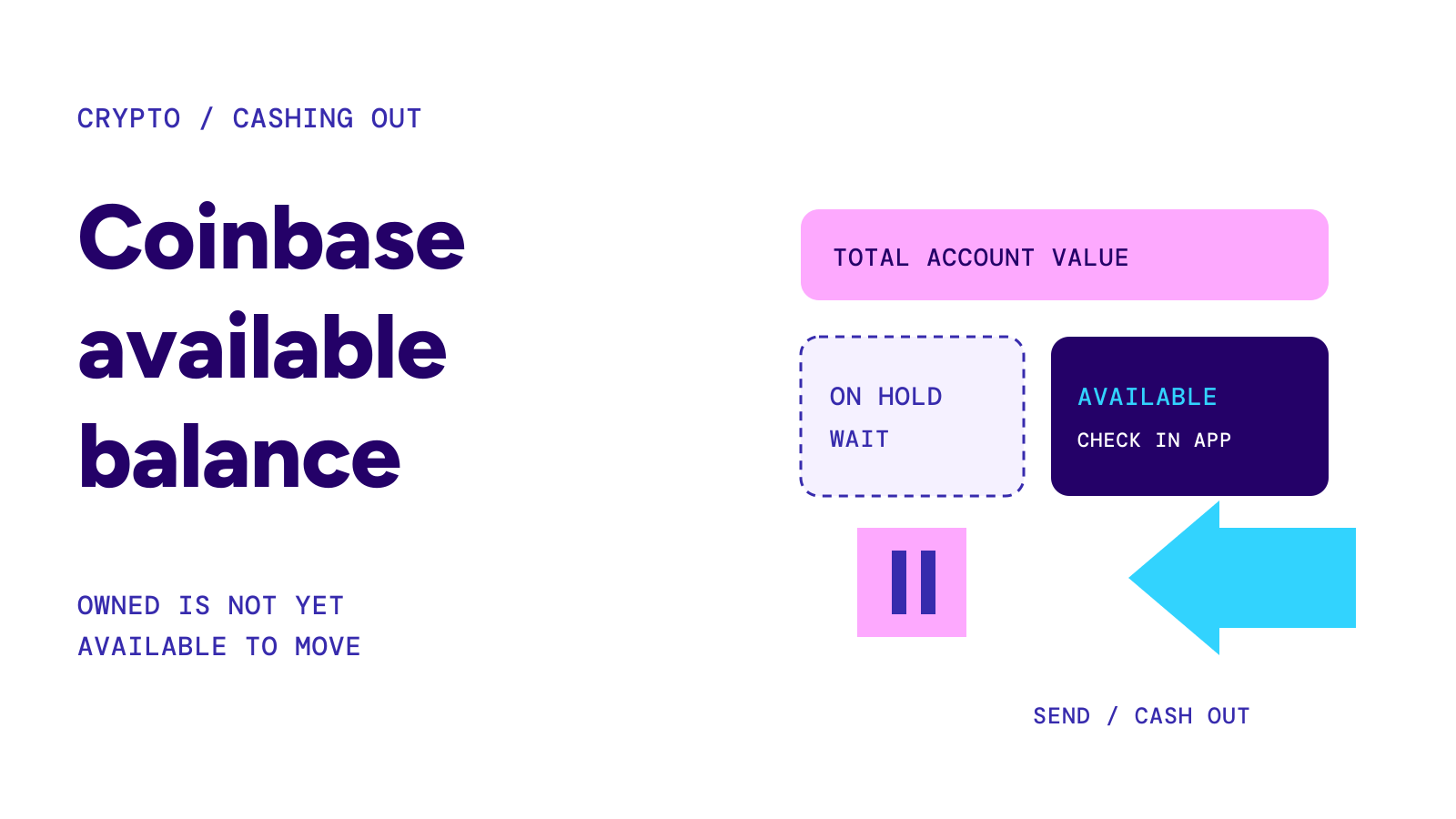
This guide covers crypto sent to or from a Coinbase primary balance. If the problem is that an available amount is smaller than your portfolio balance, start with Coinbase available balance. A deposit hold and a crypto transaction waiting on the network are different stages.
Open the individual transaction rather than relying on the account’s headline balance. Note the asset, network, destination and transaction hash. Keep the record together when speaking with the sender, recipient or Coinbase Support: “my transfer is missing” leaves out the details needed to distinguish those cases.
| What you find | The next useful check |
|---|---|
| Outgoing transaction still pending | Open its block-explorer record |
| Incoming deposit not confirmed | Ask the sender to investigate |
| Blockchain shows confirmation, account does not | Compare the network and Coinbase account messages |
| Outgoing send marked completed | Check the destination address and expected network |
| Email or phone payment not accepted | Check whether Cancel payment is offered |
The table is a way to organize the investigation, not a guarantee that any particular transfer is recoverable.
Read confirmations before treating time as the answer
Coinbase’s send troubleshooting tells customers with a pending send to wait at least 30 minutes, then use View on block explorer to inspect confirmations. If the count stays at zero, its instructions say to contact Coinbase.
That is a troubleshooting interval, not a promise that every asset arrives in half an hour. The account screen and blockchain record answer different questions: the first shows Coinbase’s transaction status; the second helps establish what happened on the selected network.
Coinbase lists congestion, insufficient confirmations and network-communication problems among the causes of pending transactions. See network fees and confirmation times for the wider mechanics.
If somebody sent the crypto to you
Ask for the transaction hash or explorer link. Compare the address and network with the receiving instructions you gave. If the transaction is unconfirmed, Coinbase directs the sender to investigate. If it is confirmed, verify that Coinbase supports that asset and network for your region, and read account alerts for outstanding actions.
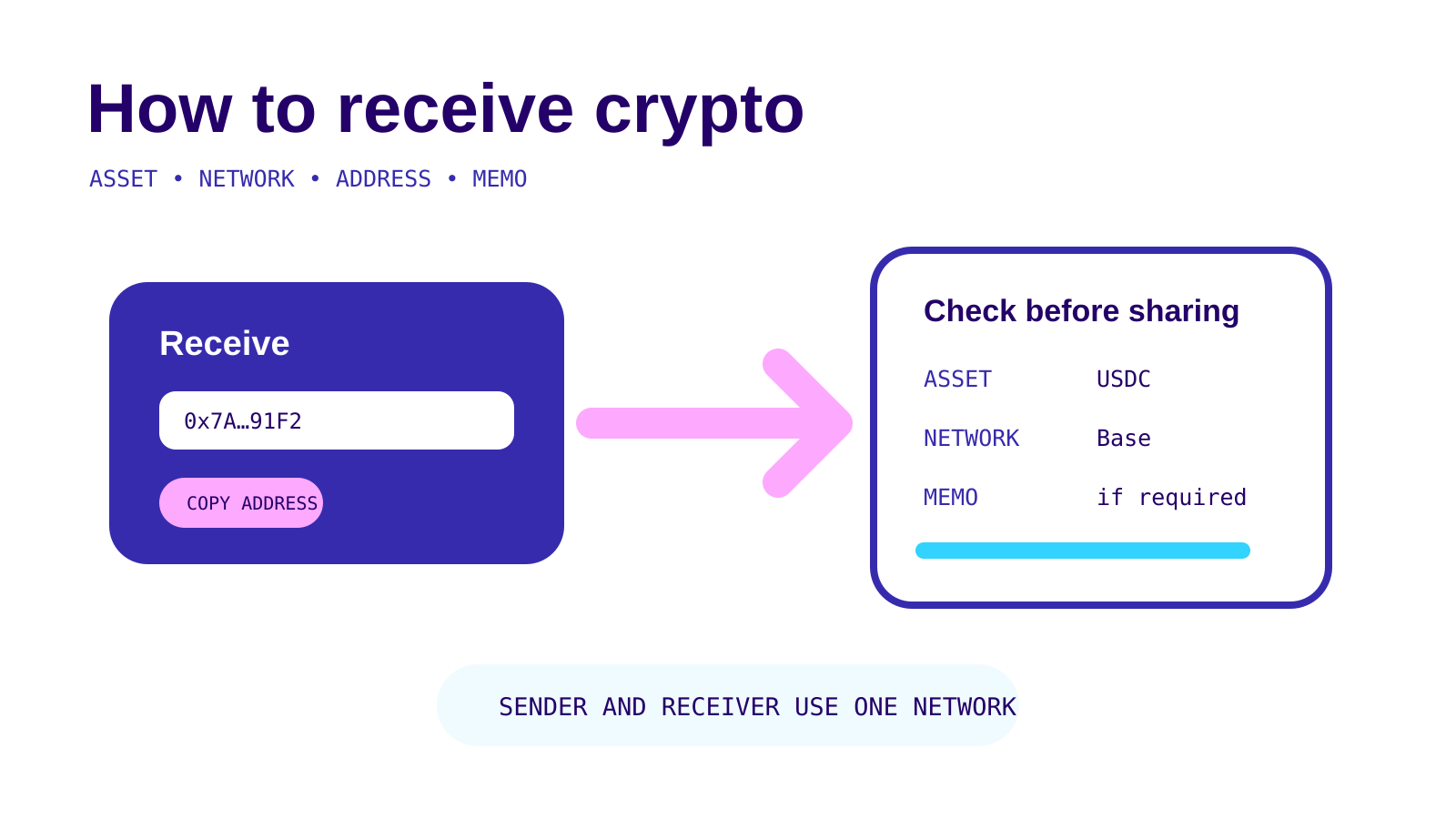
Avoid diagnosing the problem from the ticker alone. Two people can both say they sent the same asset while referring to different networks. Our safe crypto sending guide explains the destination checks to make before another transfer.
Cancellation depends on the payment type
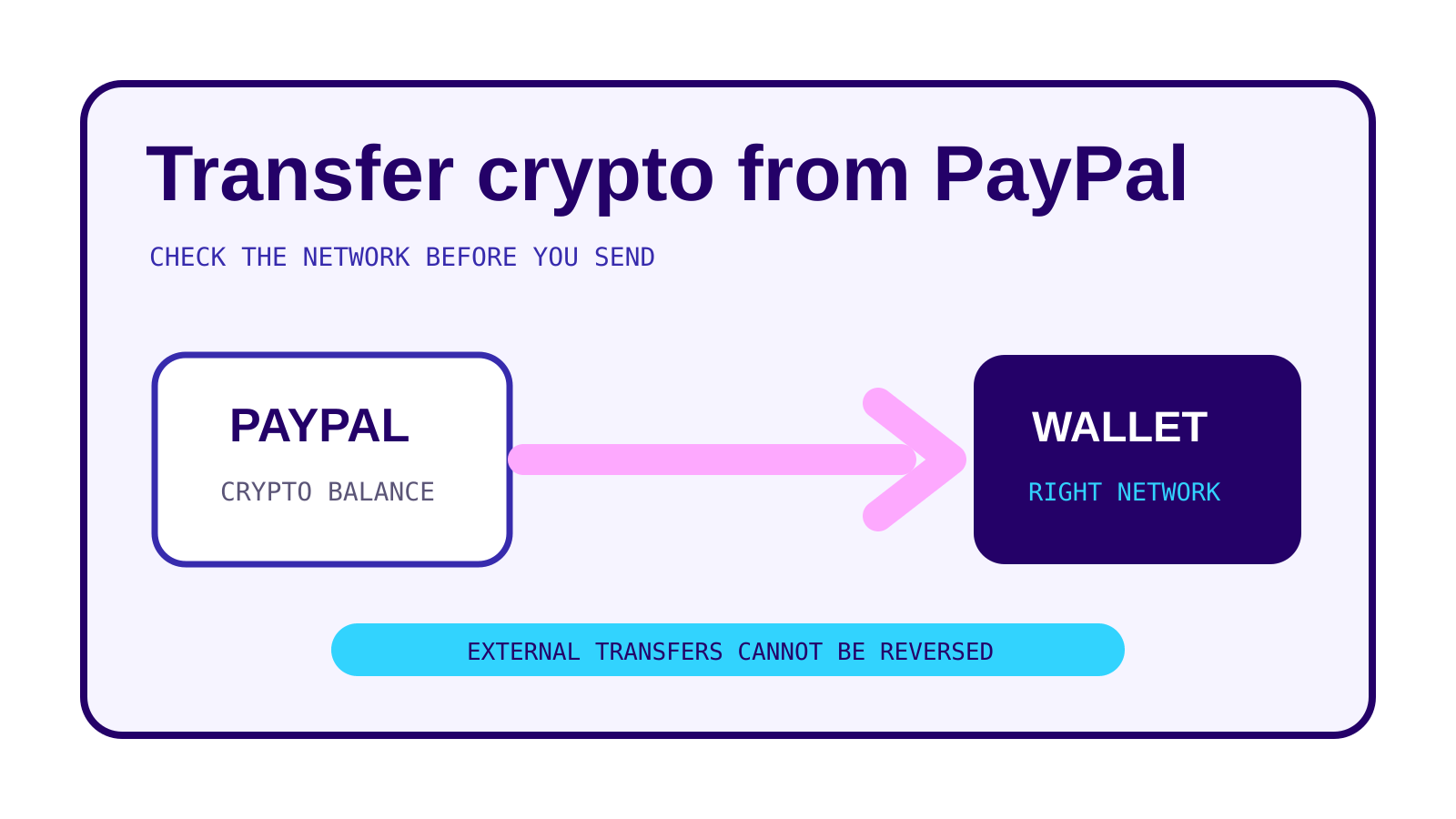
Coinbase’s pending-transactions page describes cancellation for an unaccepted payment sent to an email address or phone number. That route is not a general undo button for an on-chain transfer. Once a network transaction is completed, do not assume the app can reverse it.
If the record is marked completed but the recipient cannot locate it, compare the original destination details before sending again. Escalate through official account support with the transaction record. Do not interpret a second send as a way of repairing the first.